
Auric Studio
Plating Thickness Options
The thickness of the gold layer determines how long your finish will last and how it will perform under daily conditions. We offer four thickness options — from decorative flash plating through to our premium heavy deposit — each suited to different items and use cases.
| Option | Thickness | Best For | Durability |
|---|---|---|---|
| Flash | 0.05 – 0.1 µm | Decorative & display | 15% |
| Standard | 0.5 – 1.0 µm | Everyday jewellery | 35% |
| Gold Vermeil | 2.5 µm minimum | Sterling silver base | 65% |
| HeavyPremium | 5 – 10 µm | Maximum durability | 100% |
Flash
0.05 – 0.1 µm
The thinnest gold layer — ideal for decorative pieces, display items, and cost-sensitive production runs.
Relative Durability
Low — best for display and short-term use
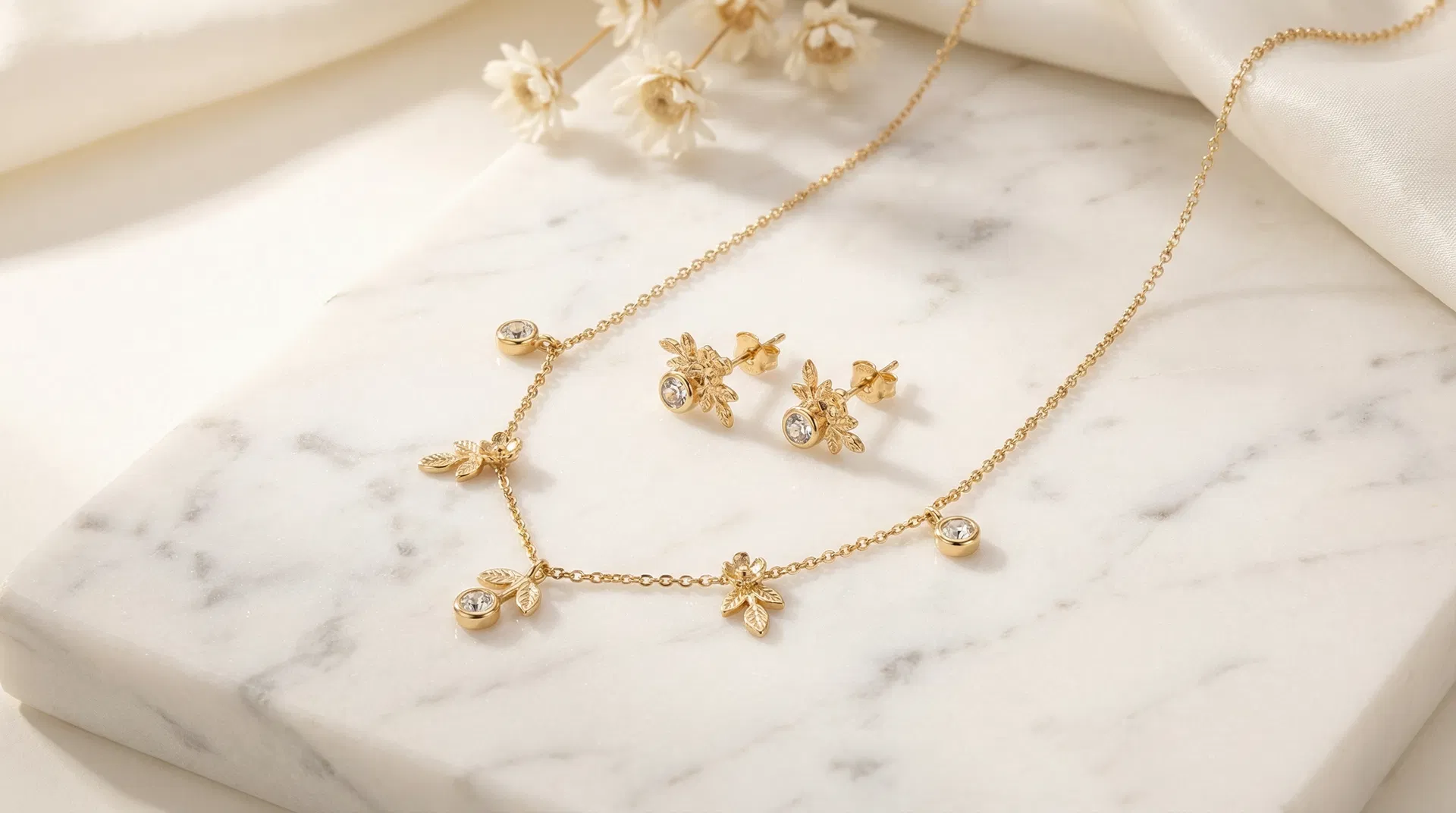
Flash plating deposits the thinnest possible gold layer, typically between 0.05 and 0.1 microns. It is the most economical option and is primarily chosen for its visual effect rather than durability.
This finish delivers a bright, even gold colour across the entire surface of the piece. Because the layer is so thin, it is best suited to items that will not be subject to regular handling, friction, or moisture.
Flash plating is widely used in the fashion jewellery and costume jewellery industries for seasonal collections, display pieces, and items where cost per unit is a key consideration.
Best For
- Display & decorative items
- Short-term fashion pieces
- Cost-sensitive production runs
- Items not subject to regular wear
- Seasonal collections
- Promotional items
Not Recommended For
- Daily-wear rings or bracelets
- Items exposed to moisture
- Watches or high-contact pieces
- Pieces requiring long-term finish retention
Common Questions
How long does flash plating last?
Flash plating is not designed for longevity. On display items it can last indefinitely, but on worn pieces the finish may show wear within weeks to months depending on contact and moisture exposure.
Can flash plating be re-plated later?
Yes. Any plated piece can be stripped and re-plated at a later date. If you anticipate re-plating, we recommend discussing this when placing your order.
Standard
0.5 – 1.0 µm
Our most popular option — a reliable balance of appearance and longevity for everyday fashion jewellery.
Relative Durability
Moderate — suitable for occasional wear
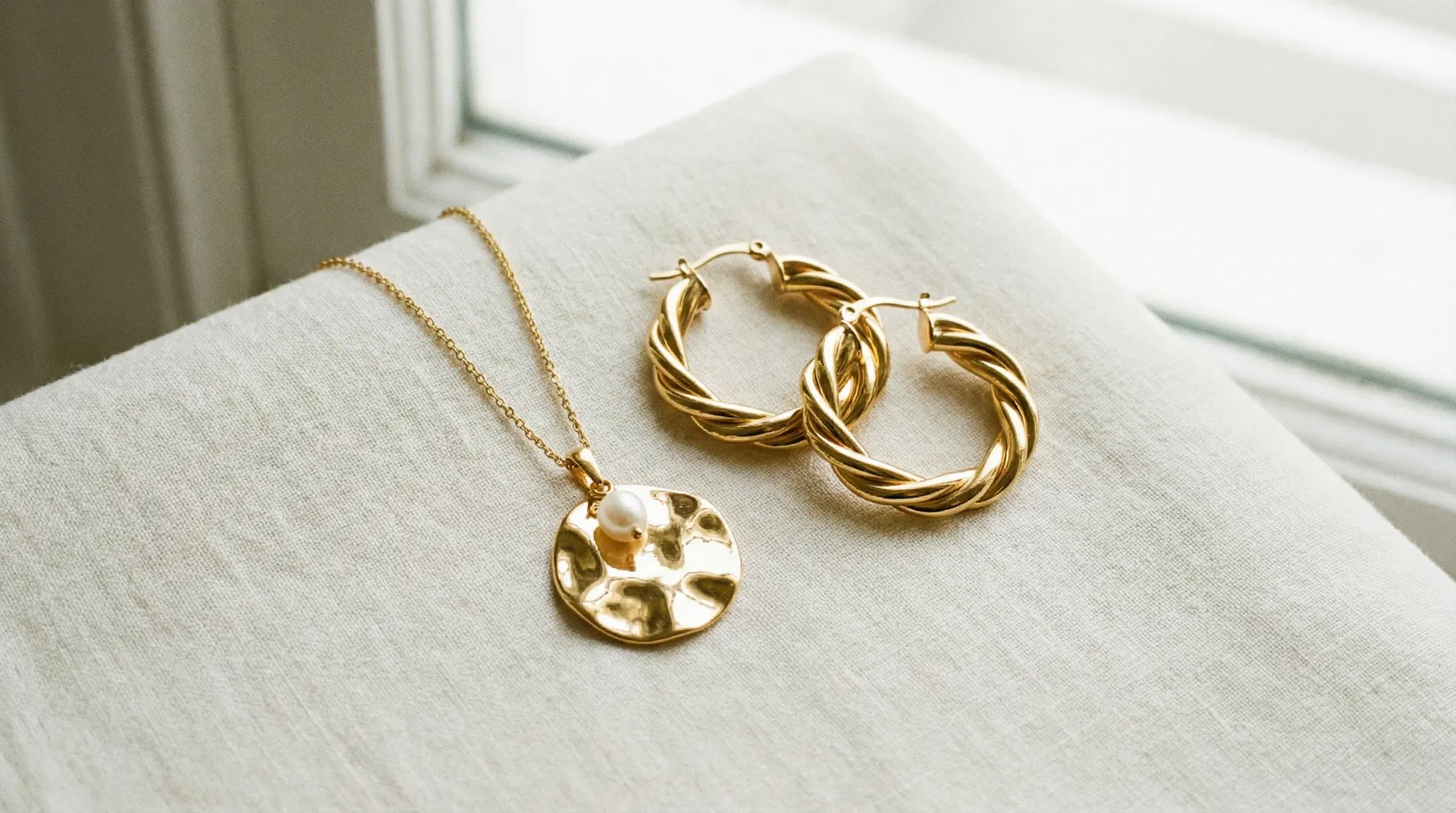
Standard plating deposits between 0.5 and 1.0 microns of gold, making it our most versatile and widely requested finish. It strikes the right balance between cost, durability, and visual quality.
This thickness is suitable for fashion jewellery, earrings, pendants, and pieces that are worn occasionally rather than daily. The finish is bright and consistent, and holds up well under normal handling conditions.
Standard plating is the default recommendation for retail jewellery collections, re-plating of existing pieces, and any item where a quality finish is required without the premium cost of heavier deposits.
Best For
- Fashion jewellery
- Earrings & pendants
- Occasional-wear pieces
- Retail collections
- Necklaces & chains
- Re-plating existing pieces
Not Recommended For
- Daily-wear rings in constant contact
- Watch cases subject to heavy friction
- Items worn in water or high-humidity environments
Common Questions
Is standard plating suitable for rings?
Standard plating can be applied to rings, but for rings worn daily we recommend upgrading to Heavy plating for better longevity. For occasional-wear or dress rings, standard is a good choice.
What is the difference between standard and flash?
Standard plating is 5–10 times thicker than flash plating. This translates to noticeably better durability and a longer-lasting finish, particularly on pieces that are handled or worn.
Gold Vermeil
2.5 µm minimum
A recognised quality standard requiring sterling silver base metal and a minimum 2.5 µm gold layer of at least 10 karat.
Relative Durability
Good — premium finish with lasting quality
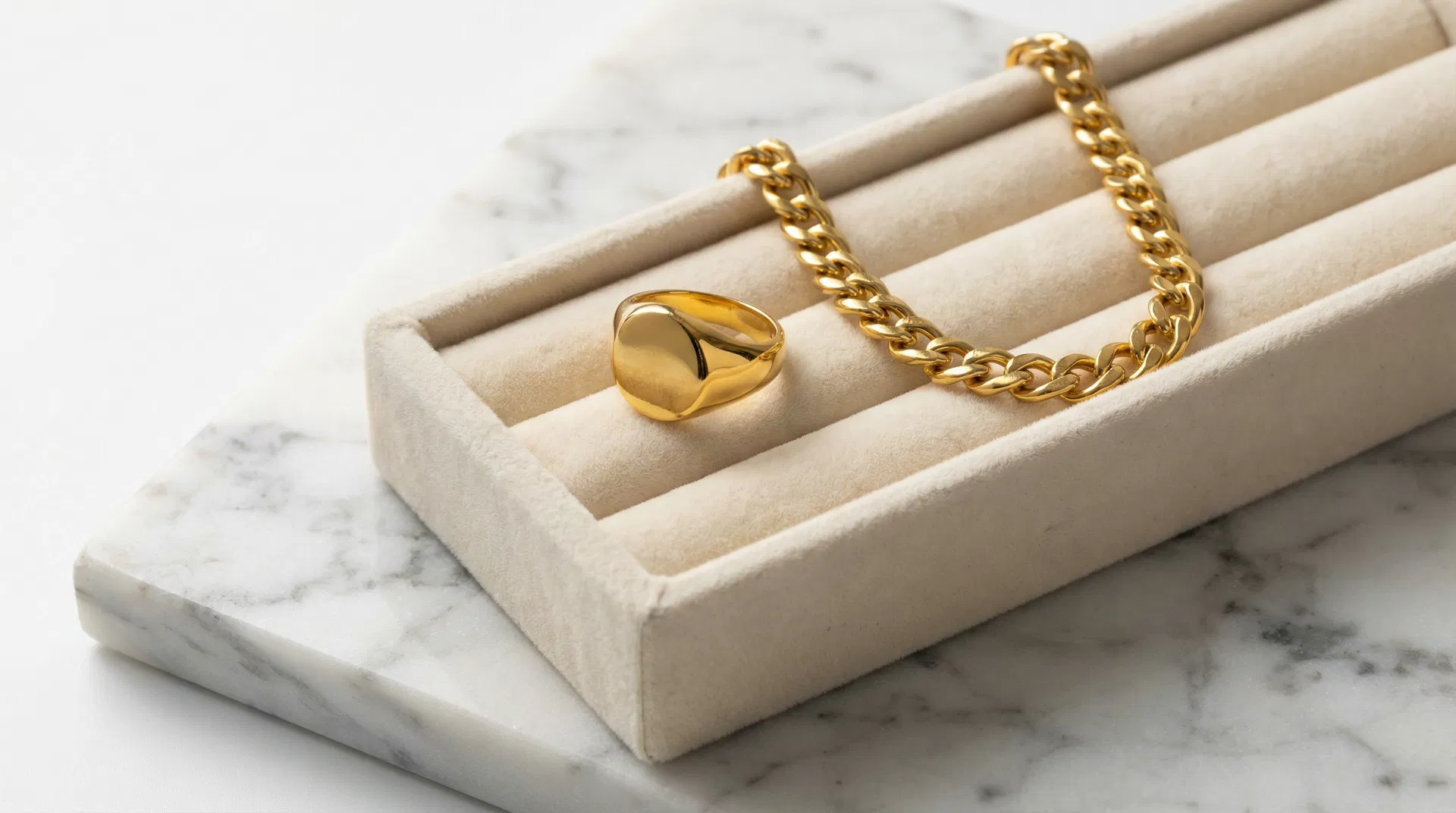
Gold Vermeil (pronounced ver-may) is a specific quality standard, not just a thickness. To qualify as Gold Vermeil, a piece must have a sterling silver (92.5% silver) base metal and a gold layer of at least 2.5 microns in thickness, using gold of at least 10 karat purity.
This standard is recognised internationally and is commonly required by fine jewellery brands, boutique retailers, and designers who want to offer a premium product with clear quality credentials.
Because the base metal is sterling silver rather than brass or base alloy, Gold Vermeil pieces have inherent value beyond the gold surface. The thicker gold layer also means the finish is significantly more durable than standard plating.
Best For
- Fine jewellery brands
- Sterling silver pieces
- Premium retail product
- Hallmark-quality finish
- Boutique jewellery designers
- Export-quality pieces
Not Recommended For
- Brass or base metal items (cannot meet vermeil standard)
- Budget fashion jewellery
Common Questions
What base metal is required for Gold Vermeil?
Gold Vermeil requires a sterling silver base metal (92.5% silver). Pieces made from brass, copper, or other base metals cannot be classified as Gold Vermeil, regardless of the gold thickness.
What karat gold is used for Gold Vermeil?
The gold layer must be at least 10 karat (41.7% pure gold). We offer Gold Vermeil in 9ct and 18ct yellow gold, with 18ct being the most popular choice for fine jewellery brands.
Is Gold Vermeil the same as gold-filled?
No. Gold-filled uses a mechanical bonding process and typically has a thicker gold layer, but the base metal is usually brass. Gold Vermeil uses electroplating on sterling silver and meets a defined international standard.
Heavy
5 – 10 µm
Our thickest gold deposit — built for daily-wear items, watch cases, rings, and high-contact pieces.
Relative Durability
Excellent — designed for daily wear and long-term use
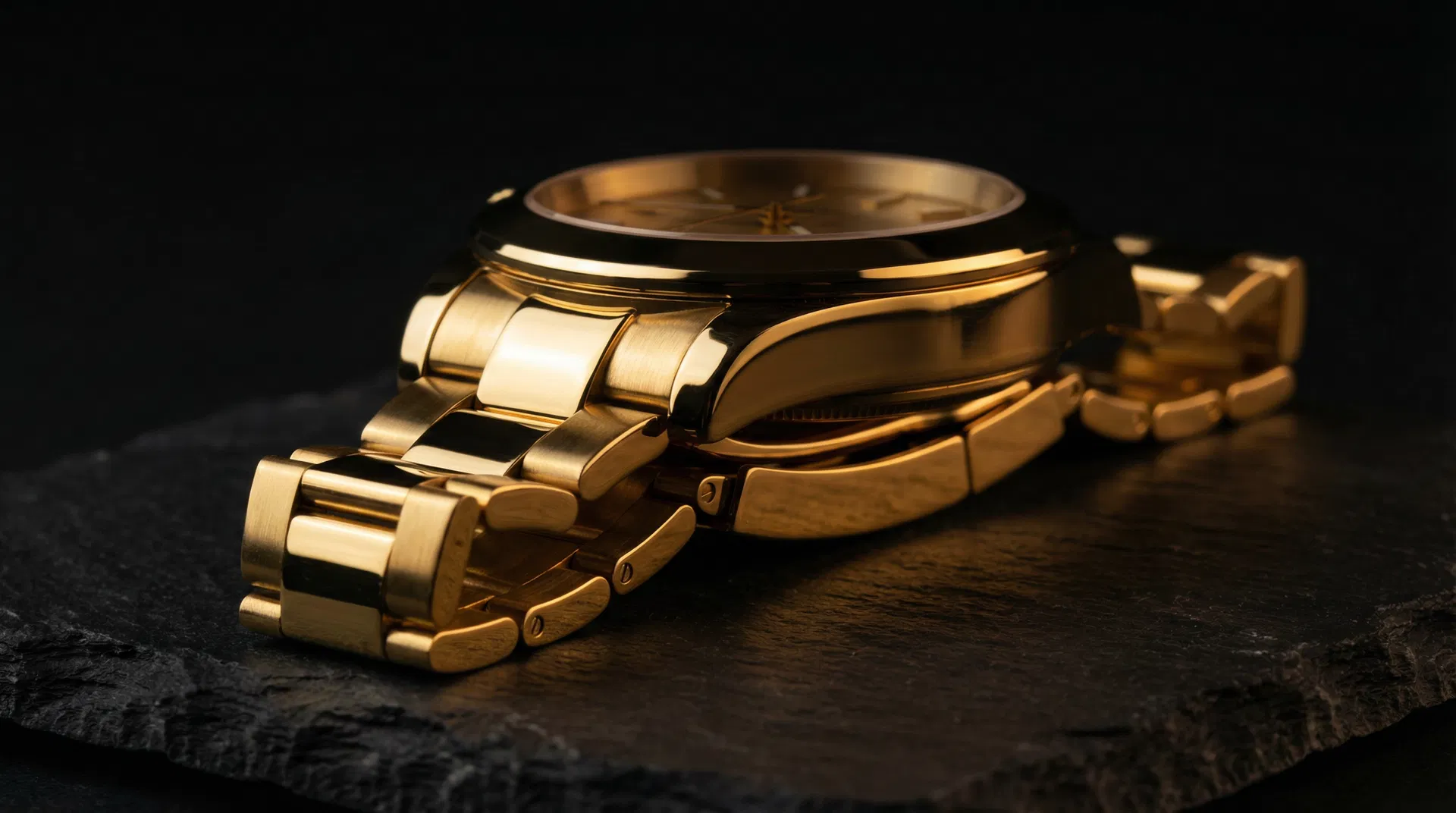
Heavy plating deposits between 5 and 10 microns of gold — up to 100 times thicker than flash plating. This is our premium thickness option, designed for items that are worn daily and subject to regular friction, handling, and contact.
At this thickness, the gold layer provides a meaningful barrier against wear and tarnish. Watch cases, bracelets, rings, and cuffs all benefit significantly from a heavy deposit, as these are the items most likely to show wear on a lighter finish.
Heavy plating is also the preferred choice when longevity is the primary concern — for heirloom pieces, high-value items, or any piece where the customer expects the finish to last for years rather than months.
Best For
- Daily-wear rings & bands
- Watch cases & bracelets
- Cuffs & bangles
- High-contact items
- Heirloom & high-value pieces
- Industrial or functional components
Not Recommended For
- Display-only items where cost is a concern
Common Questions
How much longer does heavy plating last compared to standard?
Heavy plating is 5–10 times thicker than standard plating, which translates to significantly longer finish life. On daily-wear rings, heavy plating can last several years with normal care, compared to months for standard.
Is heavy plating suitable for watches?
Yes — heavy plating is our recommended option for watch cases and bracelets. The constant contact and movement of a watch bracelet means thinner deposits wear through quickly. A 5–10 µm deposit provides meaningful protection.
Can heavy plating be applied to any base metal?
Heavy plating can be applied to most metals including brass, stainless steel, silver, and copper. We assess each piece individually and may recommend a specific base coat depending on the substrate.
Not sure which thickness is right?
Send us a message with details about your piece and how it will be worn. We will recommend the best option for your specific use case.
Get a Free Quote